Nature Therapy's Impact on Wellness
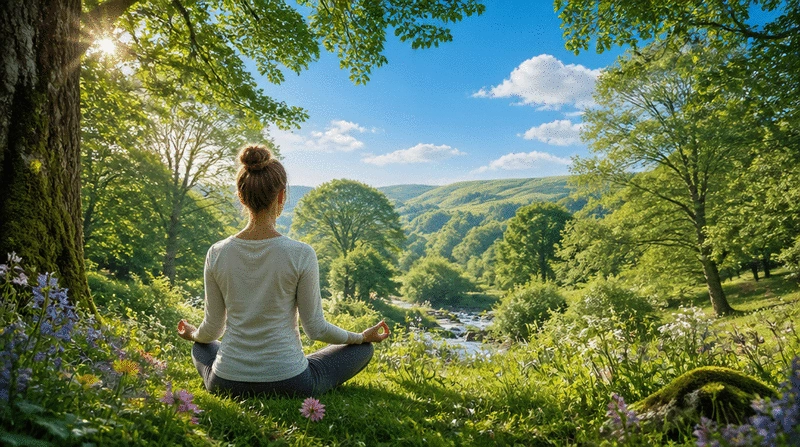
Did you ever stop to consider how the simple act of stepping outside can drastically shift your mood? As the evidence mounts, the connection between nature and mental wellness is becoming clear. In Somerset, where nature unfolds in breathtaking beauty, understanding and utilizing nature therapy can be a game-changer for mental health. Let's explore how immersing ourselves in this serene environment can promote healing and improve our overall well-being.
What You Will Learn
- Nature therapy enhances emotional well-being: Regular interactions with nature have been shown to increase happiness and contentment.
- Stress reduction through natural environments: Engaging with nature can lower cortisol levels, effectively reducing stress and anxiety.
- Improved cognitive function: Spending time outdoors enhances focus and boosts mental clarity.
- Creating a personal nature therapy plan: Tailoring your nature activities and schedules can help you achieve specific mental health goals.
- Inclusivity in accessing nature therapy: Strategies exist to overcome barriers that may prevent individuals from engaging in nature therapy, ensuring everyone can benefit.
- Community engagement enhances effectiveness: Sharing experiences and participating in group activities fosters resilience and support within the community.
Key Benefits of Nature Therapy for Mental Health
Nature therapy provides various benefits that significantly enhance mental wellness. Below are the crucial advantages supported by recommended durations for different conditions. For more information on complementary approaches, consider exploring natural therapies for UK wellness.
Increased Emotional Well-being
Nature can help us feel happier and more content. Aim for at least 30 minutes of nature interaction 3-5 times a week for anxiety.
Stress Relief
Natural environments help reduce cortisol levels, which lowers stress. A daily walk in nature for 20-30 minutes can be beneficial.
Improved Focus
Time spent in nature improves concentration and cognitive function. Even short, 10-minute breaks in green spaces can improve mood and clarity.
Understanding the Positive Impact of Nature Therapy on Mental Wellness in Somerset
As the gentle hills and lush greenery of Somerset surround us, it’s hard to ignore the profound connection between our mental health and the natural world. Have you ever felt a sense of calm wash over you during a peaceful walk through the woods? This isn’t just your imagination; numerous studies highlight the positive impact of nature therapy on mental wellness. I’m excited to explore how immersing ourselves in nature can promote healing and well-being, particularly for those living in our beautiful region.
In Somerset, where quaint villages and serene landscapes beckon, embracing nature therapy could be a transformative experience. Individuals often find solace among the trees and rivers, leading to improved emotional health. But what exactly is nature therapy? Let’s dive into the details!
Connecting Nature and Mental Health: An Overview
The connection between nature and mental health is becoming increasingly recognized. Many of us can recount moments when a stroll in the park or a day hiking in the countryside lifted our spirits. Research shows that spending time outdoors can significantly reduce feelings of anxiety and depression, aligning with broader holistic ways to boost mental health.
Studies suggest that even short periods in nature can enhance our mood and overall mental clarity. This relationship between nature and mental health isn’t just anecdotal—it’s backed by science! Some key points include:
- Increased emotional well-being: Nature can help us feel happier and more content.
- Stress relief: Natural environments help reduce cortisol levels, which lowers stress.
- Improved focus: Time spent in nature improves concentration and cognitive function.
What Is Nature Therapy and How Does It Work?
Nature therapy, also known as ecotherapy, involves using nature to enhance mental health and emotional well-being. It encompasses various practices, including outdoor activities, guided nature walks, and mindfulness exercises in natural settings. Essentially, it encourages individuals to connect deeply with the environment around them.
So how does it work? Nature therapy works by leveraging the calming effects of the environment on our minds. By immersing ourselves in nature, we can:
- Engage our senses: The sights, sounds, and smells of nature can create a multisensory experience that is grounding and soothing.
- Encourage physical activity: Activities like hiking or gardening promote movement, which is beneficial for mental health.
- Foster mindfulness: Being in nature encourages us to be present, allowing us to reflect and recharge.
Exploring Key Benefits of Nature Therapy for Mental Health
Nature therapy is not just a pleasant experience; it offers several tangible benefits for our mental health. Let’s explore some key advantages that residents of Somerset can enjoy by tapping into the healing power of nature.
From reducing stress levels to improving our mood, engaging with nature can have a lasting positive impact. The following sections will delve into specific techniques and approaches, shedding light on how we can incorporate nature therapy into our lives.
Quick Summary
Here's a brief recap of the key points discussed so far:
- The Connection: Nature therapy has a profound impact on mental wellness, reducing anxiety and improving emotional health.
- Nature Therapy Defined: Engaging in outdoor activities and mindfulness practices in nature can enhance our mental well-being.
- Practical Steps: Creating a personal nature therapy plan involves identifying goals, selecting activities, and setting a consistent schedule.
Frequently Asked Questions About Nature Therapy
- What is nature therapy?
- Nature therapy, or ecotherapy, involves using natural environments and outdoor activities to improve mental health and emotional well-being. It includes practices like guided nature walks, gardening, and mindfulness in natural settings.
- How does nature therapy benefit mental health?
- It helps reduce stress and anxiety by lowering cortisol levels, improves mood and emotional well-being, and enhances cognitive function and focus. Spending time in nature engages the senses, encourages physical activity, and fosters mindfulness.
- How often should I engage in nature therapy?
- For anxiety, aim for at least 30 minutes, 3-5 times a week. For stress management, a daily 20-30 minute walk in nature can be beneficial. Even short 10-minute breaks in green spaces can improve general mood and clarity.
- What are some examples of nature therapy activities?
- Activities can include hiking, gardening, forest bathing, guided nature walks, bird watching, or simply sitting quietly in a park and observing your surroundings.
- Is nature therapy accessible to everyone?
- Efforts are being made to make nature therapy inclusive. Strategies include seeking free or low-cost local programs, using public transportation to reach natural areas, finding accessible trails, and engaging with community groups that support nature initiatives.
Implementing Nature Therapy: Actionable Steps for Residents
Are you ready to embrace the healing power of nature therapy in your life? Here at Renewed Vitality UK, we believe that everyone can benefit from the calming embrace of the outdoors. Whether you're feeling stressed, anxious, or simply seeking a boost in your mental wellness, creating a personal nature therapy plan can be a transformative step. Let’s explore some actionable steps to get you started! Dive deeper into wellness therapies for holistic health to complement your nature therapy journey.
Creating a Personal Nature Therapy Plan
First things first, creating a personal plan tailored to your needs is essential. Begin by assessing your current mental health status and identifying specific goals you want to achieve through nature therapy. To help you, here are some steps you might consider:
- Identify your mental health goals: Do you want to reduce anxiety, manage stress, or boost overall happiness?
- Choose your preferred nature activities: Options might include hiking, gardening, or simply spending time in a local park.
- Set a regular schedule: Try to incorporate nature therapy into your week, aiming for at least a few sessions each month.
- Track your progress: Keep a journal to note any changes in your mood and mental clarity over time.
Recommended Duration and Frequency for Different Conditions
While everyone's journey is unique, some general recommendations on frequency and duration can help guide your practice:
- Anxiety: Aim for at least 30 minutes of nature interaction 3-5 times a week.
- Stress Management: A daily walk in nature for 20-30 minutes can be beneficial.
- General Well-being: Even short, 10-minute breaks in green spaces can improve mood and clarity.
By committing to these durations and frequencies, you can cultivate a consistent practice that nurtures your mental health.
Accessibility and Inclusivity in Nature Therapy
Nature therapy should be accessible to everyone, regardless of their circumstances. At Renewed Vitality UK, we recognize that barriers like cost, transportation, and disabilities can hinder access to the great outdoors. Here are some strategies to help overcome these obstacles:
- Look for local programs that offer free or low-cost guided nature therapy sessions.
- Utilize public transportation to reach nearby parks or nature reserves.
- Consider accessible trails for those with mobility challenges to ensure everyone can participate.
- Engage with community groups that offer resources and support for nature therapy initiatives.
By addressing these barriers, we can make nature therapy an inclusive practice, allowing everyone to reap its benefits! Exploring resources for stress relief tips for UK residents can also provide additional support.
Real-Life Success Stories and Testimonials
Now, let’s take a moment to reflect on the real-life impact of nature therapy through inspiring success stories. Hearing how others have benefited can motivate you to take your own steps toward wellness!
Case Studies of Somerset Residents Benefiting from Nature Therapy
Many residents in Somerset have found renewed hope and vitality through nature therapy. Here are just a couple of examples:
- Sarah, a local teacher: Struggled with anxiety and found that daily walks in the nearby woodlands significantly reduced her stress levels.
- Tom, a retired veteran: Utilized horticultural therapy, cultivating a vegetable garden that helped him manage PTSD symptoms and foster a sense of accomplishment.
Encouraging Community Engagement and Support
Building a sense of community around nature therapy can enhance its effectiveness. When people come together, they not only share experiences but also foster resilience. Here’s how you can engage:
- Join outdoor group therapy sessions in your area to connect with like-minded individuals.
- Participate in community clean-up events in local parks to contribute positively while enjoying nature.
- Start or join nature journaling groups that meet regularly to share insights and reflections.
Through these community activities, you can deepen your relationship with nature and mental wellness while creating valuable connections with others.
Conclusion: Taking Action Towards Mental Wellness Through Nature Therapy
Final Thoughts on the Importance of Nature for Mental Health
As we wrap up, remember that nurturing your mental health through nature therapy is not just a trend; it’s a vital practice that can lead to lasting change. With simple steps, you can create a personal nature therapy plan that aligns with your lifestyle and needs.
Call to Action: Connect with Local Programs and Get Started Today
Now, I invite you to take that first step! Reach out to local nature therapy programs in Somerset or even start a conversation with friends about exploring nature together. Together, we can build a community dedicated to wellness and renewal. Embrace the journey towards a healthier, happier you through nature! For further resources, consider exploring sustainable living in UK communities to deepen your connection with local environmental initiatives.
Recap of Key Points
Here is a quick recap of the important points discussed in the article:
- Nature and Mental Health: Spending time in nature can significantly reduce anxiety and depression, improve focus, and increase emotional well-being.
- Understanding Nature Therapy: Nature therapy, or ecotherapy, involves engaging with the natural environment to enhance mental health through activities like hiking, gardening, and mindfulness.
- Creating a Personal Plan: Identify mental health goals, choose preferred nature activities, set a regular schedule, and track progress to effectively utilize nature therapy.
- Recommended Practices: Aim for 30 minutes of nature interaction 3-5 times a week for anxiety, daily walks for stress management, and short breaks in green spaces for general well-being.
- Accessibility: Overcome barriers to nature therapy by seeking local programs, utilizing public transportation, and engaging with community resources.
- Community Engagement: Joining group therapy sessions, participating in community clean-ups, and sharing experiences through journaling can enhance the benefits of nature therapy.

Jasper L. Thornton
As a passionate advocate for holistic wellness and integrative health practices, I dedicate my work to fostering a healthier, more vibrant community across the UK. With a background in natural therapies and a deep appreciation for the unique lifestyle practices found locally, I aim to inspire others to embrace natural living and wellness through insightful articles and local features. At Renewed Vitality UK, our mission is to empower you to enhance your well-being through informed choices and local resources, highlighting the rich wellness culture in towns like Frome, Radstock, and Midsomer Norton.
Popular Posts
Simple Tips for Outdoor Time
![Simple Tips for Outdoor Time]() Did you know that spending just a short time outdoors can significantly boost your mood and creativi
Did you know that spending just a short time outdoors can significantly boost your mood and creativi
 Did you know that spending just a short time outdoors can significantly boost your mood and creativi
Massage Therapy for Stress Relief
![Massage Therapy for Stress Relief]() Did you know that incorporating massage therapy into your wellness routine can significantly reduce
Did you know that incorporating massage therapy into your wellness routine can significantly reduce
 Did you know that incorporating massage therapy into your wellness routine can significantly reduce
Explore Wellbeing in Trowbridge
![Explore Wellbeing in Trowbridge]() In a world where mental and emotional health often takes a backseat, engaging in wellbeing activitie
In a world where mental and emotional health often takes a backseat, engaging in wellbeing activitie
 In a world where mental and emotional health often takes a backseat, engaging in wellbeing activitie
Evening Routine for Better Sleep
![Evening Routine for Better Sleep]() What if your evenings could transform from chaotic to calming? Establishing a soothing evening routi
What if your evenings could transform from chaotic to calming? Establishing a soothing evening routi
 What if your evenings could transform from chaotic to calming? Establishing a soothing evening routi
