Sustainable Living in UK Communities
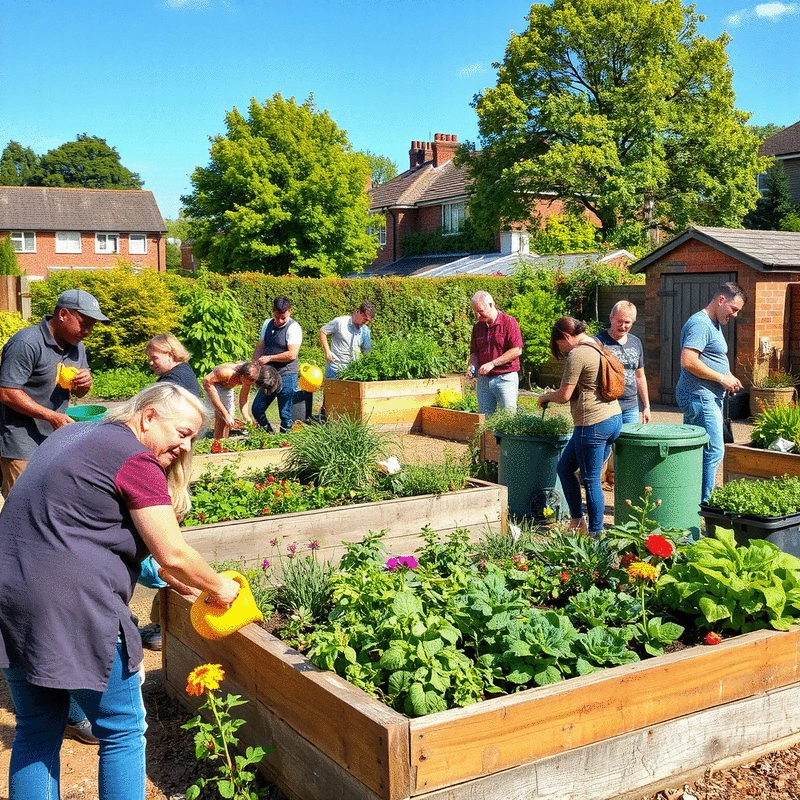
As we navigate the challenges of modern living, consider this: sustainable practices not only safeguard our environment but also enhance our community health. Embracing eco-friendly choices can lead to a more vibrant and connected community. How can you become a catalyst for such change?
What You Will Learn
- Understanding sustainable living is crucial for reducing our environmental footprint and fostering community well-being.
- Sustainable practices include reducing waste, conserving energy, choosing local products, and mindful consumption.
- Creating green spaces in urban environments can significantly improve air quality and promote physical activity.
- Eco-friendly products reduce harmful chemical exposure and support local economies while encouraging sustainable practices.
- Renewable energy sources like solar and wind promote community resilience and improve public health by lowering pollution levels.
- The Greener NHS initiative highlights the importance of sustainability in healthcare, aiming for net-zero emissions and eco-friendly practices.
- Promoting active travel, such as walking and cycling, enhances physical health and strengthens community ties.
- Electric vehicles contribute to reduced air and noise pollution, supporting a cleaner and healthier urban environment.
Key Benefits of Sustainable Living Practices
Exploring how various sustainable living practices contribute to community health and the environment through a side-by-side comparison.
Reducing Waste
Emphasizing recycling and composting minimizes landfill contributions, leading to healthier communities.
Conserving Energy
Utilizing energy-efficient appliances lowers energy costs while reducing carbon emissions, benefiting community health.
Choosing Local Products
Supporting local businesses reduces transportation emissions and strengthens community ties.
Mindful Consumption
Being intentional about purchasing choices lowers waste, fostering a sustainable community.
Understanding Sustainable Living Practices and Community Health in the UK
In recent years, there has been a growing interest in sustainable living practices across the UK, and for good reason! As we become more aware of our impact on the environment, it's crucial to explore how these practices not only benefit our planet but also enhance our community health. At Renewed Vitality UK, we believe that embracing sustainability is a vital step toward achieving a healthier lifestyle. Discover more about natural therapies for UK wellness and how they align with sustainable living.
Defining Sustainable Living and Its Importance
Sustainable living is all about making choices that minimize our environmental footprint while promoting the well-being of our communities. It involves adopting practices that ensure our resources are used responsibly, allowing future generations to thrive. The importance of sustainable living extends beyond individual benefits; it plays a key role in fostering a sense of community and encouraging collective responsibility.
What are Sustainable Living Practices?
Sustainable living practices encompass a wide range of actions that individuals and communities can take to live more harmoniously with the environment. Here are some key examples:
- Reducing waste: Emphasizing recycling and composting to minimize landfill contributions.
- Conserving energy: Utilizing energy-efficient appliances and renewable energy sources.
- Choosing local products: Supporting local farmers and businesses to reduce carbon emissions associated with transportation.
- Practicing mindful consumption: Being intentional about purchasing choices to avoid unnecessary waste.
The Role of Sustainable Living in Enhancing Community Health
Engaging in sustainable living practices can significantly enhance community health by fostering a sense of connection and reducing environmental stressors. For instance, creating green spaces in urban areas can improve air quality and provide areas for physical activity. Additionally, when communities come together to adopt sustainable practices, it cultivates a culture of care and support, which can lead to improved mental well-being.
By integrating sustainable living into our daily lives, we not only contribute to the health of our planet but also build healthier and more vibrant communities. Imagine walking through your local park in Frome, surrounded by lush greenery and enjoying the fresh air; that’s the kind of environment we can create together! For more on local initiatives, explore natural living in Radstock community.
Eco-Friendly Products and Their Impact on Health
As we delve deeper into sustainable living, it’s essential to understand the role of eco-friendly products in our lives. These products are designed to have a minimal impact on the environment while supporting our health and well-being. By choosing eco-friendly options, we can make a meaningful difference in our communities.
Understanding Eco-Friendly Products
Eco-friendly products are made from sustainable materials and often prioritize biodegradable, non-toxic, or organic ingredients. Here are some common types of eco-friendly products:
- Cleaning supplies: Biodegradable and non-toxic cleaners that reduce indoor air pollution.
- Personal care items: Organic shampoos, lotions, and soaps that are free from harmful chemicals.
- Food products: Organic and locally sourced foods that support sustainable farming practices.
Benefits of Choosing Eco-Friendly Products for Community Health
Choosing eco-friendly products not only protects the environment but also promotes better health outcomes for individuals and communities. Here are some benefits:
- Reduced exposure to harmful chemicals: Using eco-friendly products lowers the risk of health issues related to toxic substances.
- Support for local economies: Purchasing from local businesses fosters economic growth and boosts community resilience.
- Encouragement of sustainable practices: Supporting eco-friendly brands helps raise awareness and encourages more sustainable production methods.
By prioritizing eco-friendly options in our daily lives, we’re not just choosing products; we’re making a commitment to a healthier future for our communities. Imagine the difference we can make by supporting local businesses that align with our values at Renewed Vitality UK!
Renewable Energy and Community Resilience
As we continue exploring sustainable living, it's essential to highlight the role of renewable energy in creating resilient communities. Transitioning to renewable energy sources, such as solar and wind, is a crucial part of sustainable living that has far-reaching benefits for both the environment and community health.
The Role of Renewable Energy in Sustainable Living
Renewable energy contributes to sustainable living by reducing dependency on fossil fuels and lowering greenhouse gas emissions. Benefits include:
- Lower energy costs: Utilizing renewable energy can result in significant cost savings for households.
- Job creation: The renewable energy sector offers job opportunities in installation, maintenance, and management.
- Improved air quality: Reducing reliance on fossil fuels helps to decrease air pollution levels, promoting better health.
Community Initiatives Supporting Renewable Energy Adoption
Communities across the UK are taking action to support renewable energy initiatives. Here are some inspiring examples:
- Community solar projects: Local groups coming together to invest in solar panels for shared benefits.
- Wind energy co-ops: Residents partnering to develop wind farms that provide sustainable energy for the community.
- Energy efficiency programs: Initiatives aimed at educating residents on how to reduce energy consumption and embrace renewable alternatives.
Through these initiatives, communities can harness the power of renewable energy, paving the way for a sustainable future while nurturing the health and well-being of their residents. At Renewed Vitality UK, we’re excited to see such positive movement toward sustainability in our local areas! Find out how community health in Bruton is being enhanced through similar efforts.
Pro Tip
Did you know that integrating green spaces into urban environments can significantly improve mental health? Research shows that spending time in nature reduces stress, enhances mood, and can even boost cognitive function. Consider advocating for more parks and community gardens in your area to foster both sustainability and well-being!
Integrating Sustainable Healthcare Initiatives in UK Communities
As we explore the intersection of sustainability and healthcare, it’s essential to understand how initiatives can drive meaningful change. The UK's healthcare system is taking significant strides toward eco-friendliness, particularly through the Greener NHS initiatives. By prioritizing sustainability, we not only enhance community health but also contribute to a more resilient future.
These initiatives focus on reducing the carbon footprint of healthcare practices while promoting healthier lifestyles among citizens. At Renewed Vitality UK, we are enthusiastic about sharing insights into these vital changes that can lead to lasting benefits for both our health and the environment.
Greener NHS Initiatives: Driving Change in Healthcare
The Greener NHS Strategy is at the forefront of this transformation, aiming to create a more sustainable healthcare system. This strategy includes a wide array of initiatives aimed at reducing emissions, waste, and resource consumption. By prioritizing green practices, we can foster a healthier planet for future generations.
Key elements of the Greener NHS Strategy include:
- Reducing the carbon footprint of healthcare facilities.
- Implementing sustainable procurement practices.
- Promoting public health campaigns focused on environmental issues.
By adopting these strategies, we are not only investing in the future of our healthcare system but also in the health of our communities.
Overview of the Greener NHS Strategy
The Greener NHS Strategy is a comprehensive plan designed to tackle environmental impact across the UK's National Health Service. It aims to achieve net-zero emissions by 2040 for the NHS and by 2045 for the entire healthcare system. This ambitious target sets a clear path for sustainable development in healthcare.
It’s crucial to realize that these changes require commitment from both healthcare professionals and community members. By engaging in this initiative, we can collectively foster a healthier future.
Low-Carbon Prescribing and Its Benefits
One of the exciting aspects of the Greener NHS initiative is the introduction of low-carbon prescribing. This innovative approach encourages healthcare providers to consider the environmental impact of medications and treatments, ultimately reducing the carbon footprint associated with healthcare delivery.
Benefits of low-carbon prescribing include:
- Minimizing waste from unnecessary prescriptions.
- Encouraging the use of environmentally friendly alternatives.
- Improving patient awareness regarding sustainability in health choices.
By fostering a holistic view of health that includes environmental considerations, we can empower our communities to make better-informed choices.
Promoting Active Travel and Sustainable Transportation
Another essential aspect of integrating sustainable healthcare initiatives is promoting active travel. Encouraging walking, cycling, and public transport not only supports community health but also reduces air pollution and traffic congestion. This is particularly relevant in towns like Frome and Bruton, where community spaces can easily facilitate such travel initiatives.
Active travel programs can have a profound impact, leading to enhanced physical health, improved mental well-being, and a closer-knit community. Imagine families cycling together to local markets or schools, fostering not just health but community spirit! Learn more about sustainable living tips for Frome to see how active travel plays a role.
Impact of Sustainable Travel on Community Wellbeing
The benefits of promoting active travel are numerous and include:
- Improved physical fitness among community members.
- Reduction in carbon emissions.
- Stronger community ties through shared activities.
These benefits exemplify how sustainable travel can elevate community health and enrich our lives.
Case Studies of Successful Active Travel Programs in UK Cities
Looking at successful examples across the UK can provide inspiration for communities aiming to implement similar programs. Cities such as Trowbridge and Shepton Mallet have introduced strategies that encourage active travel, resulting in increased participation and community engagement.
- In Westbury, a community bike-sharing program has transformed daily commutes.
- Radstock has seen the introduction of more pedestrian-friendly pathways, promoting walking.
- Community events focused on cycling have increased awareness and participation.
These examples serve as a reminder that with determination and creativity, we can cultivate environments that support sustainable living and active health.
Electric Vehicles and Their Role in Sustainable Urban Transport
Electric vehicles (EVs) are becoming increasingly essential for sustainable urban transport. They contribute to reduced air pollution and promote cleaner air in our communities. As we move toward a future of greener transportation, it’s vital to embrace this technology.
At Renewed Vitality UK, we recognize that the shift towards electric vehicles is not just a trend; it’s a necessity for our health and the planet. By advocating for this transition, we can support safer, healthier communities. For local insights, read more about healing options in Midsomer Norton and how community well-being is prioritized.
Benefits of Electric Vehicles for Communities
The integration of electric vehicles into our transport systems offers many advantages:
- Lower emissions contribute to improved air quality.
- Reduced noise pollution promotes a peaceful environment.
- Long-term savings on fuel and maintenance costs for families.
By choosing electric vehicles, we can each contribute to a sustainable future while enjoying the benefits of cleaner transportation.
Developing Cycling Infrastructure in Urban Areas
To fully support the shift to electric vehicles and active travel, developing efficient cycling infrastructure is crucial. This includes dedicated bike lanes, safe parking facilities, and maintenance stations. Communities like Midsomer Norton are leading the way in creating infrastructure that makes cycling safe and accessible.
Key components of effective cycling infrastructure are:
- Safe and well-maintained bike lanes.
- Accessible bike-sharing programs.
- Incentives for using bikes as a primary mode of transport.
With these developments, we can foster a culture where cycling is not only encouraged but celebrated, enhancing community health and well-being.
Frequently Asked Questions About Sustainable Living and Community Health
- What is sustainable living?
- Sustainable living involves making choices that minimize our environmental footprint while promoting the well-being of our communities, ensuring resources are used responsibly for future generations.
- How do sustainable practices benefit community health?
- Sustainable practices enhance community health by fostering connection, reducing environmental stressors (like air pollution), promoting physical activity through green spaces, and cultivating a culture of care and support, leading to improved mental well-being.
- What are eco-friendly products?
- Eco-friendly products are items made from sustainable materials that prioritize biodegradable, non-toxic, or organic ingredients, designed to have minimal environmental impact and support health.
- How does renewable energy contribute to community resilience?
- Renewable energy sources like solar and wind reduce dependency on fossil fuels, lower greenhouse gas emissions, decrease energy costs, create local jobs, and improve air quality, all of which contribute to a more resilient and healthier community.
- What is the Greener NHS initiative?
- The Greener NHS initiative is a comprehensive strategy by the UK's National Health Service to achieve net-zero emissions by 2040-2045. It focuses on reducing the carbon footprint of healthcare facilities, implementing sustainable procurement, and promoting public health campaigns related to environmental issues.
- What is low-carbon prescribing?
- Low-carbon prescribing is an innovative approach within the Greener NHS initiative that encourages healthcare providers to consider the environmental impact of medications and treatments, aiming to reduce the carbon footprint associated with healthcare delivery by minimizing waste and promoting eco-friendly alternatives.
- How does active travel impact community well-being?
- Active travel, such as walking and cycling, improves physical fitness, reduces carbon emissions and traffic congestion, and strengthens community ties through shared activities, leading to enhanced physical and mental well-being.
- What role do electric vehicles play in sustainable urban transport?
- Electric vehicles (EVs) are crucial for sustainable urban transport as they significantly reduce air and noise pollution, contributing to cleaner air and a more peaceful environment in communities, while also offering long-term savings on fuel and maintenance costs.
Recap of Key Points
Here is a quick recap of the important points discussed in the article:
- Sustainable living practices: Key actions include reducing waste, conserving energy, choosing local products, and practicing mindful consumption.
- Community health benefits: Engaging in sustainable practices fosters connection, reduces environmental stressors, and promotes mental well-being.
- Eco-friendly products: Choosing biodegradable and non-toxic products reduces exposure to harmful chemicals and supports local economies.
- Renewable energy advantages: Transitioning to renewable energy lowers costs, creates jobs, and improves air quality.
- Greener NHS initiatives: The Greener NHS Strategy aims to reduce the carbon footprint of healthcare, enhancing community health while fostering sustainability.
- Promoting active travel: Encouraging walking and cycling leads to improved physical fitness, reduced emissions, and strengthened community ties.
- Electric vehicles: Embracing EVs contributes to cleaner air, reduced noise pollution, and long-term savings for families.

Jasper L. Thornton
As a passionate advocate for holistic wellness and integrative health practices, I dedicate my work to fostering a healthier, more vibrant community across the UK. With a background in natural therapies and a deep appreciation for the unique lifestyle practices found locally, I aim to inspire others to embrace natural living and wellness through insightful articles and local features. At Renewed Vitality UK, our mission is to empower you to enhance your well-being through informed choices and local resources, highlighting the rich wellness culture in towns like Frome, Radstock, and Midsomer Norton.
Popular Posts
Simple Tips for Outdoor Time
![Simple Tips for Outdoor Time]() Did you know that spending just a short time outdoors can significantly boost your mood and creativi
Did you know that spending just a short time outdoors can significantly boost your mood and creativi
 Did you know that spending just a short time outdoors can significantly boost your mood and creativi
Massage Therapy for Stress Relief
![Massage Therapy for Stress Relief]() Did you know that incorporating massage therapy into your wellness routine can significantly reduce
Did you know that incorporating massage therapy into your wellness routine can significantly reduce
 Did you know that incorporating massage therapy into your wellness routine can significantly reduce
Explore Wellbeing in Trowbridge
![Explore Wellbeing in Trowbridge]() In a world where mental and emotional health often takes a backseat, engaging in wellbeing activitie
In a world where mental and emotional health often takes a backseat, engaging in wellbeing activitie
 In a world where mental and emotional health often takes a backseat, engaging in wellbeing activitie
Evening Routine for Better Sleep
![Evening Routine for Better Sleep]() What if your evenings could transform from chaotic to calming? Establishing a soothing evening routi
What if your evenings could transform from chaotic to calming? Establishing a soothing evening routi
 What if your evenings could transform from chaotic to calming? Establishing a soothing evening routi
